

The Yoruba social political group, Afenifere, has tackled the APC-led government for failing to address insecurity and the general hardship in Nigeria.
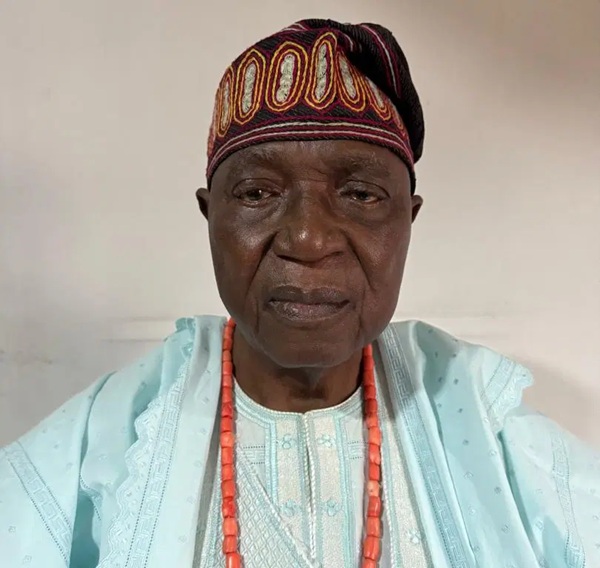
In a statement signed by its Leader and National Publicity Secretary, Oba Oladipo Olaitan and Prince Justice Faloye, it reads in part. “The nightmare of ultimate evil has become a reality under APC administration with teachers being beheaded, children being kidnapped and villages ransacked and displaced,” the statement said.
“The ongoing kidnapping of students and teachers and gruesome murders in Kwara, Oyo and other states is a painful reminder of the Tinubu government’s culpable wilful negligence of not restructuring our security architecture, especially the failure to create state and community police.”
The group also alleged that democratic institutions were being undermined under the current administration.
“The continued institutional bullying of opposition parties, labour and student unions is a defiant march towards fascism. The independence of our electoral and judicial institutions is being compromised. Instead of our electoral system evolving to a higher state, new reforms have degraded its moral compass,” it stated.
On the economy, Afenifere faulted the administration’s economic policies, saying they had worsened poverty and hardship across the country.
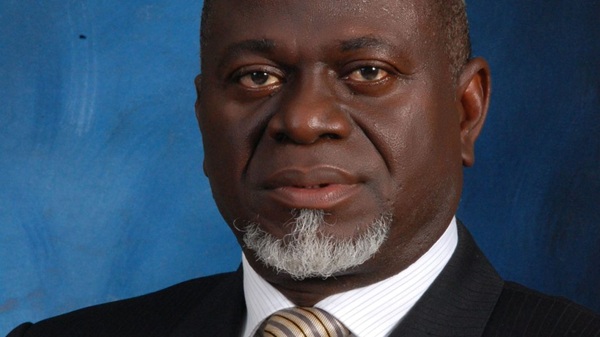
However, APC chieftain Chief Jamiu Ekungba defended Tinubu’s reforms, saying the President confronted economic challenges successive administrations avoided because of political considerations.
According to him, the economy would remain the major issue ahead of the 2027 general election because Nigerians were primarily concerned about inflation, cost of living, and purchasing power.
“For millions of Nigerians, the election may revolve around one question: Are we better off than we were four years ago?” he said.
Ekungba maintained that the removal of petrol subsidy was necessary despite the hardship that followed.
“The problem of economic hardship did not start today. Successive governments avoided confronting subsidies because of political fear. President Tinubu took the risk because he believed the country could no longer sustain it,” he added.
He also linked worsening insecurity to opposition from interests affected by the administration’s reforms.
According to him, some powerful groups that benefited from the previous subsidy regime might be working against the government through political and economic sabotage.
Ekungba urged the ruling party to improve engagement with citizens and communicate the long-term benefits of the administration’s reforms more effectively.
He added that developments in the next 12 months could shape the political landscape ahead of the 2027 elections.