


By Toby TAIWO
The 2026 World Cup has taken a bold hold on parents inspired by the magic of the Mundial to name their new babies after iconic stars.
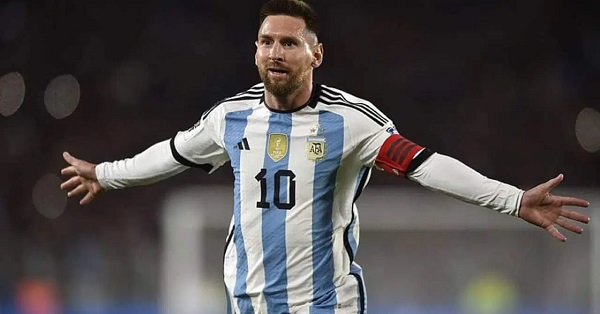
In Peru, hundreds of newborns have been named after Norway star Erling Haaland, while names inspired by legacy icons like Lionel Messi, Brazil’s Neymar and Portugal’s Cristiano Ronaldo each count around 30,000 registrations, Ivan Torres, a spokesperson for Peru’s civil registry RENIEC, told Panamericana TV last week.
“Haaland is now Peruvian too,” Torres said, noting one newborn was simply named “Mundial” after the Spanish shorthand for the World Cup. Peru did not qualify for the tournament.
ALSO READ: Norway’s Haaland scores twice to stun Brazil
Many Latin Americans with teams not competing or knocked out have been unwilling to support Argentina — broadly seen as too Eurocentric — and thrown their support behind the Norwegian team, whose “Viking row” and Haaland-driven run to the quarter-finals for the first time won them legions of new fans.
In Mexico, which co-hosted the World Cup with the U.S. and Canada, a picture of a birth certificate went viral on social media showing a baby girl named Quiñona Ysisidra Morita Haaland Guevara – a reference to Mexican stars Julián Quiñones and Gilberto Mora as well as the Norwegian striker.
Ysisidra is a play on “Y si sí?”, or “What if?”, the upbeat mantra chanted by Mexican fans until they were knocked out by England in the last 16.
Mexico’s governance secretariat did not immediately verify the authenticity of the certificate.
In Argentina, Enzo, Emiliano and Lionel topped the list of most popular boy names in the northeastern province of Salta the week before the final, according to local authorities who attributed the trend to the “World Cup phenomenon.”
Argentina’s World Cup team, which will play in Sunday’s final, includes midfielder Enzo Fernandez and goalkeeper Emiliano “Dibu” Martinez, as well as team captain Messi.
Fabiola Molina, who hosts Mexico City-based podcast “Sin manual para padres” (“No manual for parents”), told Reuters the trend had a history across Latin America dating back to Diego Maradona’s 1986 “Hand of God” goal against England.