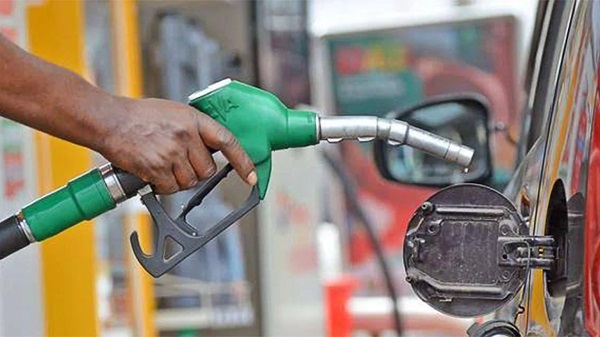

The Federal Government’s much-hyped 30-day petrol discount has kicked off, but Nigerians are not smiling yet.
While NNPC stations cut prices, transport fares remain stubbornly high, sparking anger and mixed reactions nationwide.
Slow Take-Off, Old Rates Everywhere
The relief package, which includes a N1,350 per litre ceiling on landing cost, was meant to cushion the effects of rising global crude prices linked to the Middle East crisis.
But checks across states yesterday showed a slow take-off. In many cities, petrol still sold at old rates and commercial drivers refused to drop fares.
ALSO READ: Murray-Bruce tackles governors, Atiku over fuel subsidy
In Lagos, NNPC outlets are dispensing at a discount, yet danfo and BRT fares remain unchanged. Commuters lamented that drivers are quick to hike fares when fuel rises, but never reduce them.
In Abeokuta, there were slight queues at NNPC outlets. A litre sold for N1,355 against the old N1,380 at the Mega Station near Obasanjo Presidential Library, with an extra N66 discount for App users.
In Osogbo, NNPC stations at Oke-Ayepe, Okini, Abere and Ring Road complied, but fares did not move.
The story is worse in the North. In Maiduguri, fuel still goes for N1,430, in Damaturu N1,435. Officials said no directive has come. Same situation in Anambra, Edo, Delta, Kwara, Kogi, Benue, Nasarawa and Kano.
ALSO READ: FG crashes petrol price to ease hardship, NNPC outlets to sell at landing cost
Drivers, Commuters Kick
A commercial tricycle rider in Abeokuta, Afeez Solaja, welcomed the cut but begged for more: “Reducing fuel price will bring down transport and food cost. Government should reduce it to the barest minimum.”
In Osun, civil servant Ope Bello urged government to engage transport unions to force fare reduction.
But driver Muhideen dismissed the discount: “It is insignificant for me to be looking for NNPC station every time.” He cited spare parts, tyres and maintenance costs.
FG: It Is Relief, Not Subsidy
Finance Minister Taiwo Oyedele insisted the initiative is not a return to subsidy.
“It is a commercial decision by NNPC Retail to reduce its margin, not public funds. It lowers price for consumers and can strengthen NNPC’s business,” he said.
NNPC spokesman Andy Odeh echoed: “This discount is a customer relief initiative and does not represent reintroduction of subsidy.”
Experts are divided. Petroleum economist Prof. Wumi Iledare said it is defensible if temporary and transparent. CISLAC boss Auwal Rafsanjani demanded accountability: “Who is financing the discount? What happens after 30 days?”
Meanwhile, PETROAN is demanding 30 percent allocation of the discounted petrol to its members to ensure rural coverage.