


By Toby TAIWO
Over the weekend, OPEC announced that it is increasing the distribution quota for member counties, including Nigeria.
The meaning is that Nigeria will send more barrels of oil and will make more money. And this has been the case since the beginning of the U.S.-induced war in Iran, leading to the tussle on the important Strait of Hormuz.
While oil price has soared and OPEC quota has increased, and the government has reduced the incidence of oil theft in the country, more money is significantly coming to the largest black population, and in extension, the states, but the people are still crying.
This is because the fuel price has risen more than three times from 780 naira to 1,350 naira since the beginning of the hostility, making Nigerians to be poorer and Nigeria richer.
ALSO READ: Kenya cuts fuel prices after deadly protests
The least the Federal Government can do is to, at this time, put more money into the pockets of its citizens as palliatives for the harsh times.
Though the FG has provided such relief for FG workers as well as some states, it has not trickled down to the private and informal sectors, where most Nigerians are engaged.
The ongoing geopolitical confrontation involving the United States, Israel, and Iran has once again exposed a familiar paradox in Nigeria’s oil-dependent economy: what benefits government coffers often burdEns the average citizen.
ALSO READ: Iran war: New twist as Chinese vessels allowed to sail Hormuz by Iran as Trump meets Xi
As tensions escalate in the Middle East, global oil markets have reacted sharply, pushing crude prices to levels not seen in years and placing Nigeria in a contradictory position of gain and pain.
At the heart of this dynamic is Nigeria’s status as a major crude oil exporter. With Brent crude prices surging above $100 per barrel due to disruptions in supply routes—particularly around the strategic Strait of Hormuz—the country is witnessing a potential windfall in oil revenues.
For a government whose budget benchmarks are typically far lower—around $64–$75 per barrel—this price surge translates into increased export earnings, improved foreign exchange inflows, and stronger fiscal buffers.
ALSO READ: Fuel protests turn bloody in Kenya
Analysts note that higher oil prices can boost Nigeria’s external reserves and enhance revenue allocation across federal, state, and local governments.
However, beneath these macroeconomic gains lies a harsher reality for ordinary Nigerians.
Rising prices, shrinking wallets
While the government celebrates increased earnings, citizens are grappling with skyrocketing fuel prices. Petrol prices in Nigeria have already surged to over ₦1,000 per litre in many parts of the country, up from previous levels below ₦900. This spike is directly linked to rising global crude prices, which increase the cost of refined petroleum products.
The irony is stark: despite being an oil-producing nation, Nigeria still relies significantly on imported refined products. As global prices rise, so do domestic pump prices, passing the burden directly to consumers.
Energy costs in Nigeria are a major driver of inflation. When petrol and diesel prices increase, the effects ripple through every sector—transportation, food production, manufacturing, and services. The result is a steady erosion of purchasing power, particularly among low- and middle-income households already struggling with economic reforms and high living costs.
Inflationary pressures and economic strain
The war-induced oil price shock is not just about fuel—it is about the broader cost of living. Transport fares rise as fuel becomes more expensive. Food prices climb as logistics costs increase. Small businesses, many of which depend on petrol or diesel generators due to unreliable power supply, face higher operating costs.
This chain reaction fuels inflation, deepening economic hardship. Analysts warn that the benefits of higher oil revenue may not translate into improved living conditions unless accompanied by strong fiscal discipline and targeted social interventions.
Dangote refinery and market shifts
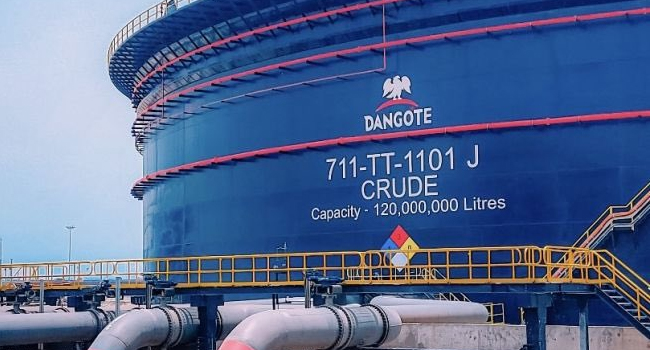
One notable development is the growing role of the Dangote Refinery, which has begun to reshape Nigeria’s fuel supply landscape. Amid global disruptions, the refinery has increased exports across Africa while also influencing domestic supply and pricing.
Yet, even with local refining capacity improving, prices remain tied to global crude benchmarks. This means Nigerians are still exposed to international market volatility, regardless of domestic production gains.
A double-edged sword
Economists often describe oil price shocks as a “double-edged sword” for Nigeria. On one edge is the promise of increased government revenue, improved foreign reserves, and potential economic stabilization. On the other hand is the harsh reality of rising inflation, higher energy costs, and declining real incomes.
The way forward
The current crisis underscores the urgent need for structural reforms in Nigeria’s economy. Reducing dependence on imported fuel, improving local refining capacity, diversifying revenue sources, and strengthening social safety nets are critical steps.