
Deputy Speaker Kalu raises alarm over investigative powers, warns against constitutional conflict
The proposed establishment of the Nigeria Mines Ranger Service has suffered a major setback in the House of Representatives, following fierce objections over provisions that could empower the outfit to assume the constitutional responsibilities of the Nigeria Police Force.
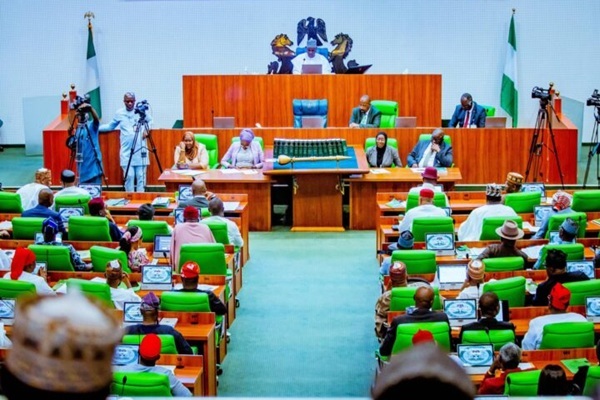
The bill, which seeks to establish a specialised security service to combat illegal mining and related crimes, was stepped down on Monday after Deputy Speaker Benjamin Kalu raised concerns about Clause 23.
Kalu Sounds Alarm Over Clause 23
Kalu warned that the proposed service could become a parallel police force if its powers were not carefully defined.
He expressed particular concern over Clause 23, which grants the Commander-General and authorised officers access to records of individuals and institutions for official duties.
Questioning the scope of the provision, Kalu said: “These rangers, are they going to be performing the work of the police? I was thinking they will arrest and hand over to the police for investigation.”
He argued that granting the rangers access to private records and investigative powers could undermine the Police Act and create confusion in the country’s security architecture.
Ihonvbere Defends Preliminary Investigation
House Leader Julius Ihonvbere, however, defended the provision, insisting that preliminary investigations were necessary to enable the rangers properly brief the police.
He said the clause would help distinguish genuine suspects from innocent persons wrongly apprehended during operations against illegal mining.
According to him, the proposed powers were not intended to replace the police but to strengthen the prosecution of mining-related offences.
Bill Stepped Down
Kalu remained unconvinced, insisting that every arrest based on reasonable suspicion should activate the police’s constitutional mandate.
He warned that any arrangement allowing the rangers to independently exercise police powers would create a dangerous conflict of authority.
Following the heated exchange, the House resolved to step down the bill for further legislative engagements.
The decision leaves the proposed mining security outfit hanging as lawmakers seek to reconcile the fight against illegal mining with the constitutional responsibilities of the police.