
Abuja stood still on Monday as armoured vehicles rolled into Package B of the Moshood Abiola National Stadium and men in black took positions at the gate of Nigeria football.
The Nigeria Football Federation headquarters became a fortress overnight. Police and DSS operatives mounted roadblocks, checked bags, and turned people back. Even officials of the National Institute for Sports could not get in. Veteran journalist and media aide to the NIS DG, Mr. Ben Ogbemudia, was among those stopped at the gate.
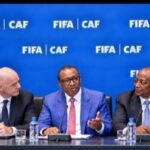
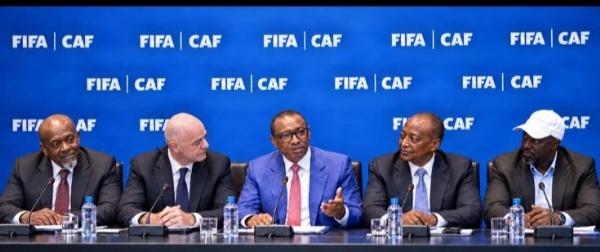
Inside, a joint team from FIFA and CAF was already in closed-door talks with NFF management and congressmen. Outside, tension thickened ahead of a bigger stakeholders’ meeting slated for later at the Abuja Continental Hotel.
For Nigerian football, this is no ordinary meeting. It is an intervention.
Siege at the Football House
More than 20 operatives arrived in official vans early Monday. They mounted screening points and restricted access to the secretariat. Journalists were told they had “orders from above” barring them from the premises.
The lockdown followed the delivery of documents from a State House vehicle earlier in the day. The heavy presence signals how far the crisis has gone. It comes weeks after former NFF President Ibrahim Gusau, General Secretary Mohammed Sanusi and members of the Executive Committee all resigned on August 27, leaving a vacuum at the top.
FIFA had on September 7 suspended the NFF electoral process. The elective congress planned for September 27 in Lafia is now on hold.
FIFA and CAF Land in Abuja
The delegation arrived Sunday night at Nnamdi Azikiwe International Airport and was received by a combined team of Nigerian security. Their mission runs from September 14 to 15.
According to FIFA and CAF, they are here to listen, not to pronounce judgment yet. The goal is to assess the crisis, review governance and electoral issues, and agree a roadmap for reforms.
The talks in Zurich on September 1 between a Nigerian delegation led by National Sports Commission Chairman Shehu Dikko and FIFA officials set the stage. Government says the reforms must address transparency and long-standing structural flaws, including questions around FIFA, CAF and intervention funds.
Battle Over Who Speaks for Nigerian Football
Even before the Abuja meeting began, another fight broke out over the guest list. The NFF picked nine state FA chairmen and 18 other representatives.
That did not sit well with other groups. Players’ union leader Harrison Jalla, who also heads the Advocacy for Nigeria Football Reform Initiative, demanded more slots for players. Coaches, referees and other blocs say the process must be broader.
With leadership, money and elections all on the table, FIFA and CAF say they will hear everyone before deciding next steps. For now, the football house remains under lock and key, and the future of Nigerian football hangs on what happens in Abuja this week.