
It is a rude shock for gender equality advocates!
Hopes of a major leap for women in politics have been dashed as the final list for the 2027 elections shows fewer women contesting compared to the 2023 general elections, raising fresh alarm over Nigeria’s democracy.
The Figures Tell A Painful Story
According to INEC’s final list released at the weekend, out of 936 governorship and running mate candidates cleared for the February 6, 2027 election across 28 states, only 25 women are contesting for governor in 15 states, while 94 women are running as deputy governorship candidates across 26 states.
For the State Houses of Assembly, only 1,016 women out of 10,020 candidates made the ballot. Rivers takes the lead with 70 out of 432 candidates, followed by Kwara with 57, Osun 56, Imo 54 and Delta 51.
But this is a fall from 2023. In 2023, INEC cleared 25 women for governor out of 419 candidates and 102 women for deputy governor. For State Assembly, 1,046 women contested out of 10,225 candidates. In total, 1,552 women contested out of 15,307 candidates in 2023, representing just 10.1%. That number has now slipped further in 2027, despite 21 parties fielding women.
ALSO READ: INEC throws out Ogun PDP candidate Adebutu from final Gov list
Two States With Zero Women, 13 Without Gov Candidates
The picture gets gloomier. In Jigawa and Katsina, not a single woman is on the governorship or deputy governorship ticket. Jigawa has only three female assembly candidates out of 213, Yobe three out of 234, Katsina five out of 293, and Borno six out of 218.
Thirteen states have no female governorship candidate at all. States with female governorship candidates are Akwa Ibom with five, Ebonyi three, Cross River, Adamawa, Delta and Lagos two each, while Plateau, Abia, Bauchi, Benue, Kaduna, Kano, Kwara, Ogun and Rivers have one each.
Ogun leads deputy chart with 10 women, Plateau and Lagos nine each, Akwa Ibom eight, Rivers six, Oyo, Kaduna, Enugu five each.
Who Are The 25 Brave Women?
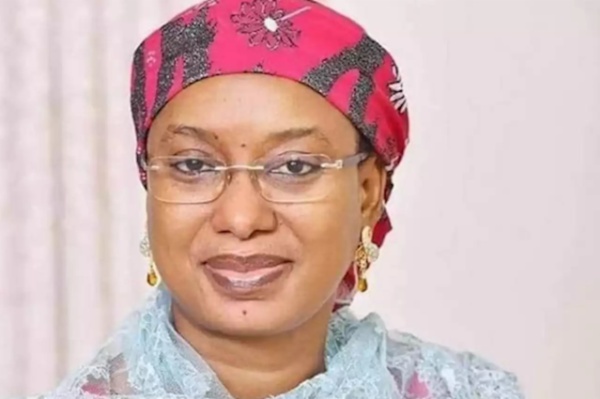
Despite the drop, 25 fearless women are still daring to dream. They include Doris Umezurike of AAC in Abia, Joelyne Hogan Bassey of ADP and Chigbe Vivian of NRM in Cross River, Bingel Philomina of ADP in Plateau, Aishatu Dahiru Binani of NDC and Samuel Faith Monday of NRM in Adamawa, Achibong Nsikak of ADP and four others in Akwa Ibom, Babageidam Lami of ZLP in Bauchi, Ujah Mercy of APP in Benue, Ahmed Furera of BP in Kano, Jayeola Monturayo of APM in Kwara, Adeyemi Abiola of APP and Peter Helen of ZLP in Lagos, Layi Labode Halima of APP in Ogun and West Ivy of AAC in Rivers.
With the gender gap widening, the question is urgent: will Nigeria ever achieve real inclusion for women?