
After sweeping 1.2m votes in 2023, can NDC flagbearer survive APC’s total takeover of the zone?
FROM KING OF SOUTH-SOUTH TO UNDERDOG?
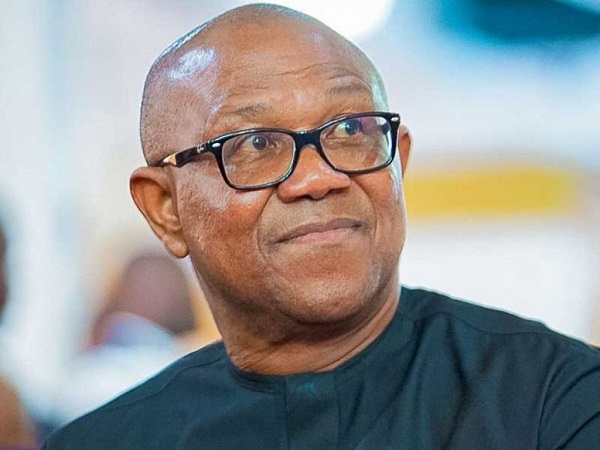
In 2023, Peter Obi was unstoppable in the South-South.
The Labour Party candidate stormed the zone, winning three of six states — Delta with 341,866 votes, Edo with 331,163 and Cross River with 179,917 — and polling a massive 1.2 million votes to beat Bola Tinubu with 799,957 and Atiku Abubakar with 719,957.
Three years later, the game has completely changed.
Obi is now flying the flag of the Nigeria Democratic Congress, NDC, with Rabiu Kwankwaso as running mate, and faces a hostile terrain where all six South-South governors are aligned with the APC. The Muslim-Muslim ticket anger that fuelled his 2023 surge has faded, the Obidient Movement is quieter, and Nyesom Wike’s Rainbow Coalition is tightening its grip.
Can Obi repeat the magic?
RIVERS: WHERE THE WALL IS TALLEST
If Obi could not win Rivers in 2023 when Obidients were at their peak, 2027 looks tougher.
He lost the state to Tinubu who scored 231,591 votes, largely because Wike mobilised against him. Now, Wike has made peace with Governor Siminalayi Fubara, ending the crisis that could have gifted Obi protest votes.
Wike’s Rainbow Coalition now controls the structure — even Labour Party is inside it. Several Fubara loyalists Obi might have courted are now in the coalition.
Obi will still pull crowds in Obio-Akpor and Port Harcourt City, especially among Igbo residents, but without grassroots penetration across 23 LGAs, a statewide victory looks near impossible.
BAYELSA, EDO, DELTA: OLD STRONGHOLDS SHAKING
In Bayelsa, Obi polled 49,975 in 2023 to finish second behind Atiku. But Governor Douye Diri’s defection to APC in 2025 has dragged the entire PDP machinery, including lawmakers, into APC.
With founding NDC member Chief Fyneman Wilson reportedly returning to APC, the party’s only hope is Senator Seriake Dickson’s grassroots muscle in Bayelsa West and votes from Igbo and Arewa communities in Yenagoa.
Edo is another heartbreak waiting to happen. Obi won big in Oredo, Egor and Ikpoba-Okha in 2023, but his foot soldiers have abandoned ship — Senator Neda Imasuen and Rep Esosa Iyawe have joined APC. Add internal NDC war in Edo South between Ehiozuwa Johnson Agbonayinma and Sunny Aguebor, plus Adams Oshiomhole’s grip on Edo North and Governor Monday Okpebholo’s hold on Edo Central, and the path narrows.
ALSO READ: Peter Obi fires Tinubu’s petrol price discount
Delta remains Obi’s best bet. His 341,866 votes in 2023 still echo. The NDC claims to have built structures across 25 LGAs, 270 wards and 3,626 units through the Delta State Independent Support Organisation. But will enthusiasm convert to votes against APC’s federal might?
AKWA IBOM, CROSS RIVER: PERSONAL TIES VS FEDERAL MIGHT
In Akwa Ibom, Obi has a personal card — his wife is from Onna — plus support among traders, students, market women and Igbo community. The NDC parades Michael Enyong for governor. Yet APC has built a formidable machine ready to mobilise for Tinubu.
Cross River, which Obi won with 179,917 votes over Tinubu’s 130,520, is slipping away. Governor Bassey Otu has solidified APC, and Tinubu will flaunt the Lagos-Calabar Coastal Highway progress in Odukpani as his trophy.
THE FINAL VERDICT
Political scientist Prof. Philips Okolo of Niger Delta University says Tinubu now has the edge because APC controls all six states, unlike 2023 when it had only one.
ALSO READ: Umahi: Southeast alone cannot make Peter Obi president
“Agreed Obi pulled weight in 2023 without governors, but the scenario is different now,” he said.
Okolo warned that public sympathy among youths is not enough without structures, and that Obi’s frequent party switches raise questions.
With incumbency, federal projects, and Wike’s Rainbow Coalition stacked against him, Obi faces an uphill battle to retain his South-South crown.