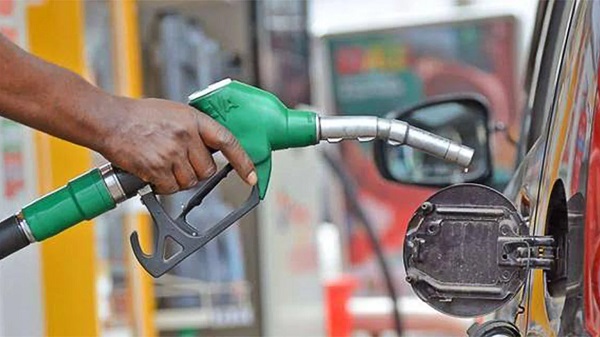

Presidential candidate of the African Democratic Congress (ADC), Atiku Abubakar, has made a dramatic U-turn on his controversial plan to return fuel subsidy, declaring that his administration will not fund petrol imports but will instead channel support into local refining to crash prices.
The former Vice President, who had come under intense fire for proposing to restore subsidy, clarified on Tuesday that his policy was widely misunderstood and that he has now drawn a clear red line against any return to the old import-dependent regime.
Atiku, in a strongly worded post on X, said Nigeria cannot continue to bleed public funds to sustain foreign refineries while local producers struggle.
U-turn After Fierce Backlash
The ADC flagbearer’s clarification came after days of heated debate, with critics accusing him of plotting to reverse the fuel subsidy removal and return the country to opaque payments for imported petrol.
In a striking reversal, Atiku said he was backing down from any form of import subsidy. “I am not restoring subsidy so that Nigeria can keep paying for imported petrol. That era is over and must never return,” he said.
He insisted that what Nigerians need is not cheaper imported fuel, but cheaper fuel produced at home.
Production Subsidy, Not Import Subsidy
Atiku drew a sharp distinction between what he described as two opposing models — bankrolling imports and empowering local production.
Using the famous Aba shoemakers as an illustration, he argued that a sensible government does not subsidize foreign shoes to make them cheaper, but supports local shoemakers to produce more, cut costs and hire more hands.
“I choose the Aba shoemaker. I will do the same with fuel,” Atiku declared.
ALSO READ: Atiku, aide disagree on fuel subsidy return
Under his plan, federal support would go directly to crude oil refined in Nigeria, enabling domestic refineries — including the Dangote Refinery and modular refineries — to produce at lower costs, create thousands of jobs and keep foreign exchange within the economy.
Promise of Cheaper Living Costs
Atiku said the pivot to production-focused support is central to his strategy to reduce the punishing cost of living.
According to him, when locally refined fuel becomes cheaper, the effect will ripple across every sector — from transport to food prices and small business operations.
“I want the bus fare you pay every morning to come down. I want the cost of taking food from the farm to the market to come down,” he said.
“I want the trader to spend less. I want the barber, tailor, welder and small business owner to spend less on energy,” he added, promising that Nigerians would keep more money in their pockets if they produce more at home.