
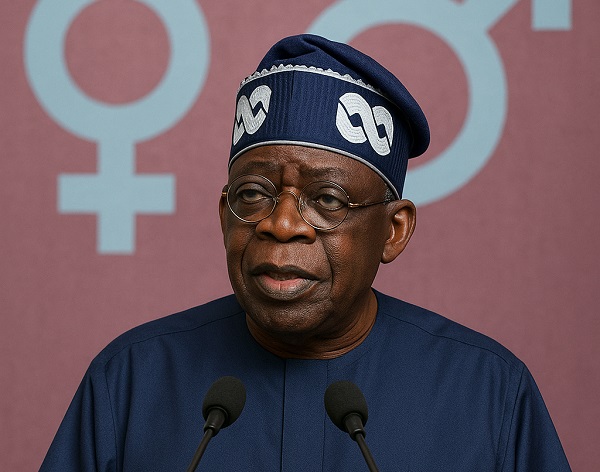

Abuja pushed back hard yesterday as a US courtroom drama around President Bola Ahmed Tinubu reignited at home. The Presidency said the case in Washington is not a criminal trial, but a paper chase over what Americans get to see.
The clarification came after fresh buzz online painted the Freedom of Information Act suit as a fresh indictment. It isn’t, officials insisted.
What the US Court Is Actually Deciding
At the heart of Civil Action No. 23-1816 before the US District Court for the District of Columbia is one narrow question: were the FBI and DEA right to black out parts of 399 pages they already released?
The Presidency, through Special Adviser Bayo Onanuga, said the fight is strictly civil. “It is not a criminal case against President Bola Ahmed Tinubu, nor has the court found him guilty of any criminal wrongdoing,” the statement read.
The dispute started in 2022 when Aaron Greenspan filed FOIA requests for records on Tinubu. Some agencies said nothing. Others released documents with redactions. Greenspan sued. Tinubu later joined as an intervenor to protect privacy claims.
The court has already dismissed the CIA, State Department, Treasury and IRS. Only FBI and DEA redactions remain in play.
ALSO READ: Terrorism financing: Nigeria, US begin man hunt for Adamu, six others
Why Pages Were Blacked Out
US lawyers cited FOIA exemptions to justify the redactions. They pointed to grand jury secrecy, attorney-client advice, privacy protections, and material that could expose confidential sources or investigative methods.
Redaction, the Presidency explained, is standard. It means hiding names, addresses, or techniques before public release. Tinubu’s team also invoked Exemption 7(C) covering personal privacy.
The Presidency recalled a 2003 letter from the US Consulate in Lagos to then IGP Tafa Balogun stating no criminal arrest record was found for Tinubu as Lagos governor.
The Political Heat Around the Case
Officials linked Greenspan to opposition figures including David Hundeyin and former VP Atiku Abubakar, and dismissed commentary by Karl von Batten as inaccurate. “Neither is a party to the case,” the statement said.
ALSO READ: Trump happy with Tinubu’s severe blows on terrorists
Deadlines are tight. Greenspan has until September 11 to reply. The FBI, DEA and Tinubu have until September 18. Judge Beryl A. Howell will decide if the redactions stand.
“The release or withholding of records under FOIA does not, by itself, establish criminal liability,” the Presidency stressed, urging media to separate court filings from political spin.