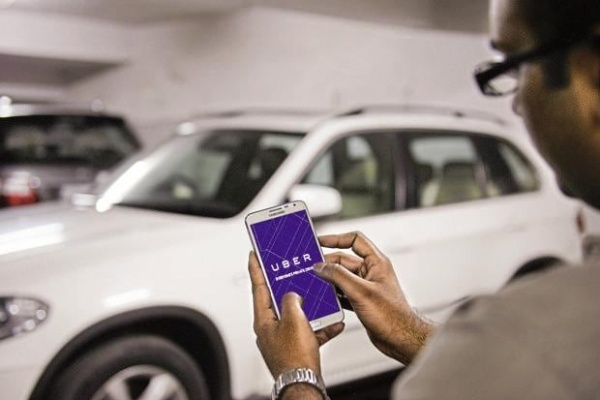

For 12 years Uber owned Lagos mornings. Yesterday morning it owned nothing.
Riders opened the app and saw “No ride available.” By afternoon, Uber confirmed it: Nigeria and Uganda operations are dead as of September 2, 2026.
While Uber called it a “business priorities review,” the loudest voices on the streets had a different word for it: relief.
“We Were Bleeding”
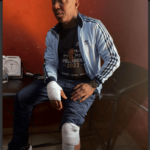
At the airport, FAAN cabman Eyo Christian spoke for many.
“Good riddance,” he said on national TV. “Uber and Bolt should be banned. After they take their commission, nothing is left for the driver.”
The math hurt. Uber took 33%, Bolt 25%, inDrive just 13%. Christian and others say the platforms flooded the market with cars that were “below standard,” drove fares down, and ignored calls to cut commissions.
“I used to work for Uber, Bolt and inDrive,” he added. “When they take their cut, what’s left is paltry.”
“It Was The Only One That Cared”
But not every driver is dancing.
Hakeem Adebajo, 2 years on Uber, called it the safest platform. “They monitor both driver and passenger. That mattered.”
Olanrewaju Shittu, 3 years in, said Uber actually paid more. “We got N70,000 weekly allowance. Bolt and inDrive don’t do that. Without Uber, how do we maintain our cars?”
They blame two things for the exit: drivers cutting deals off-app, and riders chasing cheaper fares on inDrive where clients can dictate prices.
Uber Walks, But Says It’s Not Leaving Africa
Uber’s Lorraine Onduru said the exit is limited to Nigeria and Uganda. “We remain deeply committed to Sub-Saharan Africa,” she stated, promising exit tokens for drivers and 21 days of rider support.
On X, the debate got blunt. “This market punishes platforms that assume trust,” wrote Akin Olaoye. “Drivers ask riders to go offline. Zero work, 100% of the money.”
Another replied: “It’s incentives, not just culture. When cheating pays more, people cheat.”
Uber is gone from Nigeria. For some drivers, it’s a funeral. For many others, it’s good riddance to bad business.