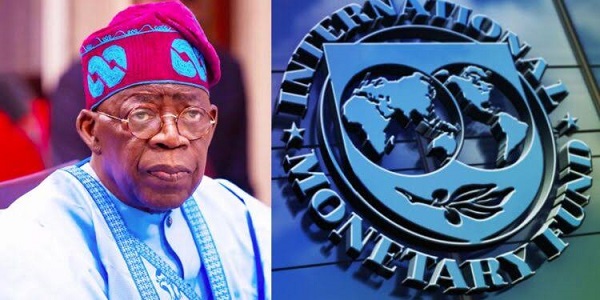

.What does the IMF want? Our blood
By Toby TAIWO
In what could be described as total rejection, Nigerians have reacted to the call by the International Monetary Fund (IMF) to Nigeria Federal Government (FG) to push for new taxes on fuel, phone calls, and data in Nigeria.
NewsAfricng.com took to the streets to gauge the feelings of Nigerian, and not one of them agreed with the IMF’s advice.
They kicked against the proposal, which would bring more hardship to the already sapped common Nigerians.
According to Femi Iyiola, the FG has already failed its people in the area of Healthcare, Employment, Food availability, Security, Quality of Life, and Housing scheme, and further taxes would escalate the hardship.
He said, “IMF, please tell us how Nigeria is qualified for all the loans you give our frivolous leaders. This administration had OVERBORROWED from the IMF, so for it to service these loans on time, it would want to be in charge. They’ll advise and compel the government, and want to be in charge of all its financial activities. It’s very obvious that some people somewhere don’t want the progress of this country called Nigeria.”

Tony Akpan said, “The IMF is hell-bent on seeing Nigerians enslaved by extreme hunger and poverty. Does it mean that this organization doesn’t understand what Nigerians are going through? Why propose more taxes? They told the government to remove the fuel subsidy, and they did. The impact of that singular act pushed more Nigerians below the poverty line. They moved to education and electricity and removed subsidies there.”
They keep suggesting senseless and inhumane policies without talking about cutting cost of governance for the Nigerian government. What does the IMF really want from Nigerians? Our blood?”
The International Monetary Fund (IMF) has recommended the introduction of new taxes on fuel products and telecommunications services in Nigeria, a move that could spark fresh concerns over the cost of living in the country.
In its 2026 Article IV Consultation report on Nigeria, the IMF said the government would need additional tax measures to boost revenue and fund development projects, social programmes, and support for vulnerable citizens.
The Fund suggested extending Value Added Tax (VAT) to fuel products, introducing excise duties on telecom services, increasing the VAT rate, and reviewing some tax exemptions and customs duty waivers.
ALSO READ: Mediator announces US-Iran peace deal reached with a permanent end to war
“Further tax policy changes will likely be needed… including extending VAT to fuel products and introducing telecom excises,” the IMF stated.
However, the Washington-based institution warned that any new taxes should be introduced carefully, considering Nigeria’s worsening poverty and food insecurity levels.
“The timing of reforms must consider the poverty and food insecurity situation and ensure that the cash transfer system is in place and funded,” the report added.
Aron Iraole, who is in the telecom business, said that additional taxes would increase call and data costs for subscribers, while labour unions and business groups have consistently opposed fuel-related taxes amid rising transport and food prices following the removal of petrol subsidies.
According to the IMF, the proposed revenue-enhancing measures could generate an additional 3.9 per cent of Nigeria’s Gross Domestic Product (GDP) within three years. Administrative reforms aimed at improving tax compliance could add another 3.1 per cent of GDP.
The Fund projected that, despite some tax relief measures for households and small businesses, the overall reforms could increase government revenue by 4.6 per cent of GDP over the medium term.
The IMF maintained that stronger revenue mobilisation remains critical as Nigeria continues to face fiscal pressures despite recent economic reforms.